Get the latest Cummins fault codes PDF for easy troubleshooting. Fast download, clear charts, and quick lookup for diesel engine repairs. Perfect for technicians.

manual rain bird esp modular
Get the complete Rain Bird ESP Modular Manual with step-by-step installation, maintenance, and troubleshooting. Fast access to all technical details.
oxford square electric blanket manual
Discover the ultimate Oxford Square electric blanket manual for Australian users—easy setup, safety tips, and cozy comfort hacks to keep you warm all winter.
the darkest temptation pdf
Dive into “The Darkest Temptation” PDF and explore the depths of forbidden desires, suspense, and intrigue. Download now for an unforgettable literary thrill.
how much tip for fishing guide
Why Tipping a Fishing Guide Matters
Tipping rewards a guide’s expertise, ensuring quality gear selection, local knowledge․ It encourages meticulous preparation, timely navigation, personalized coaching, enhancing safety and catch rates․ A fair tip reflects the guide’s effort and professionalism․ A thoughtful tip sustains local guides․ help․ us․
Enhancing Service Quality
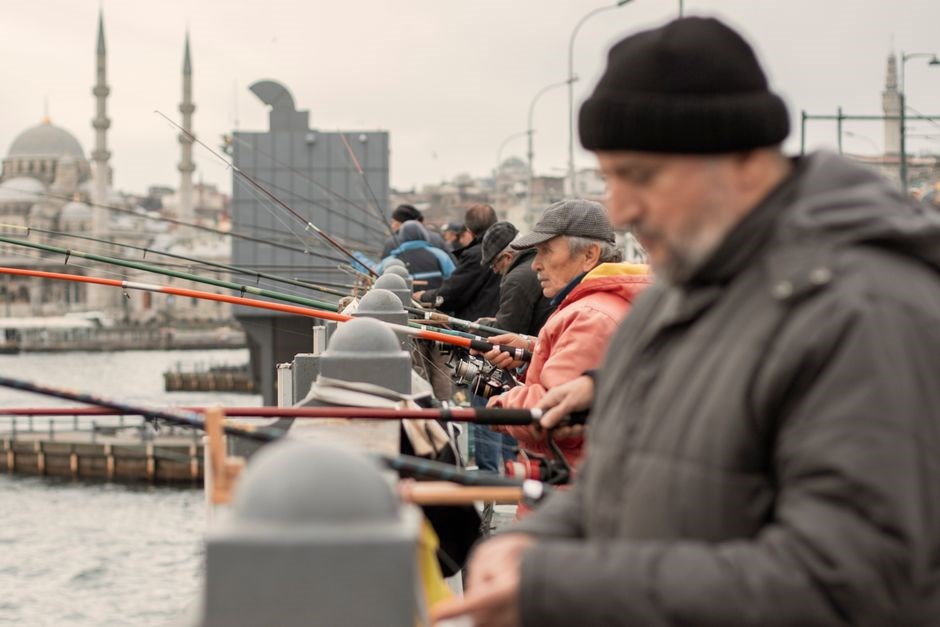
When you tip a fishing guide, you directly influence the level of service you receive․ A well‑paid guide can afford better equipment, such as high‑end rods, reels, and specialized lures, which translate into higher catch rates and a smoother experience․ With a solid tip, guides are more likely to invest time in scouting the best spots, researching local fish behavior, and customizing the trip to your skill level․ They can also afford to keep their boats and gear in top condition, ensuring safety and reliability․ Moreover, a generous tip signals appreciation, motivating the guide to maintain professionalism, offer clear instructions, and provide a friendly atmosphere․ In many regions, guides rely on tips as a significant portion of their income; a fair tip can help sustain their business, allowing them to continue offering quality services year after year․ This creates a positive feedback loop: better service leads to better results, which in turn encourages patrons to tip more, fostering a thriving local fishing community․
Beyond the immediate financial benefit, a tip can unlock access to premium gear or exclusive fishing spots that guides typically reserve for higher‑paying clients․ It also encourages guides to invest in ongoing training, certifications, and community outreach, ensuring that the local fishing ecosystem remains healthy and sustainable․ When you tip, you value the guide’s expertise, motivating them to share insider tips like optimal bait selection and subtle casting techniques that improve your catch rate․ A fair tip fosters a collaborative atmosphere, allowing you to ask questions, learn, and build rapport, which translates into a more personalized experience!!
Encouraging Professionalism
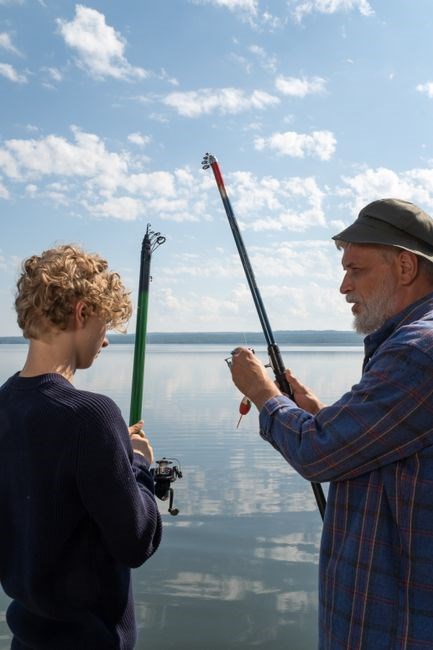
Tips serve as a direct incentive for guides to uphold the highest standards of conduct and competence․ A substantial tip signals that a client values expertise, encouraging the guide to maintain rigorous safety protocols, keep up-to-date certifications, and invest in continuous learning․ When guides know their income is tied to client satisfaction, they are more likely to conduct thorough pre‑trip briefings, explain local regulations, and respect environmental guidelines․ This professional behavior not only protects the client but also preserves the fishing ecosystem for future generations․ Moreover, a generous tip fosters a culture of accountability; guides are motivated to provide clear, honest feedback on fishing conditions, adjust tactics based on real‑time observations, and adapt to the client’s skill level․ By rewarding professionalism, tips help sustain a network of knowledgeable, reliable guides who are committed to delivering safe, enjoyable, and educational experiences․ In turn, this elevates the overall reputation of the local fishing industry, attracting more responsible anglers and encouraging community stewardship of waterways․ daily!

Ultimately, the financial reward of a tip not only reflects gratitude but also creates a virtuous cycle where guides invest in better safety gear, maintain pristine boats, and pursue advanced certifications, thereby elevating the quality of the fishing experience for all participants, fostering a culture of respect for the sport and the environment․ Generosity encourages guides to share tips, ensuring sustainable fishing․․ !
Determining the Appropriate Tip Amount
Use trip length, success, and local norms․ A 15–20% of the fee or $10–25/day in North America, $20–30 in Europe, $25–35/day in Australia․ Adjust for group size and complexity․ A fair tip reflects effort and quality of service․ Tip generosity boosts guide morale
Standard Percentage Guidelines
When deciding on a tip for a fishing guide, many anglers rely on a simple percentage of the total trip cost․ In North America, the most common range is 15–20 % of the guide’s fee․ For a single‑day excursion that costs $200, a tip of $30–$40 is typical․ If the trip extends over two or more days, the percentage often rises to 20–25 %, reflecting the increased time, equipment, and logistical support required․ Some guides, especially those who provide premium services such as custom boat rentals, exclusive access to prime fishing spots, or specialized coaching, may warrant a tip closer to 30 %․ Conversely, if the guide’s fee is already high—say $500 for a luxury charter—many clients opt for a flat tip of $50–$75, which effectively falls within the 10–15 % range․ It is also common practice to adjust the tip based on the success of the outing: a catch‑heavy day might merit a higher percentage, while a dry day could justify a lower one․ Ultimately, the goal is to reward the guide’s expertise, effort, and the overall experience they provide, ensuring a fair and respectful exchange for both parties․
When a guide offers additional services such as gear rental, boat rental, or custom itineraries, the tip can be adjusted accordingly․ A common practice is to add a flat $10–$20 per day for premium services, or to tip 25–30% of the total cost for multi‑day charters․ Clients should consider the guide’s experience, the difficulty of the fishing location, and the overall value of the trip․ If the guide offers local patterns or helps with permits, a higher, tip is appropriate․
Flat Rate Alternatives
These flat-rate guidelines are flexible; adjust them based on the guide’s expertise, the trip’s duration, and the local market․ By setting a clear, fixed tip, you simplify the payment process, avoid awkward calculations, and show appreciation for the guide’s skill and dedication․
Adjusting for Trip Length and Complexity
When planning a tip, consider how many days the guide will spend on the water and the intricacies of the fishing environment․ A single day in a well‑known spot may warrant a modest flat fee, whereas a multi‑day expedition that requires scouting new locations, handling gear logistics, or navigating challenging currents deserves a higher proportion․ A common approach is to add a fixed amount—say $10 to $20 per day—then increase the percentage if the trip includes remote sites, night fishing, or specialized techniques such as fly‑casting on a tidal river․ Guides who provide lodging, meals, or transport can also justify a larger tip, reflecting the added service․ Ultimately, the tip should mirror the guide’s effort, the difficulty of the fishing conditions, and the overall value you receive․ A thoughtful adjustment not only rewards the guide but also encourages continued excellence in the industry․ Tip amounts can also be influenced by the guide’s reputation and the uniqueness of the fishing experience․ If the guide has a proven track record of leading successful trips or offers exclusive access to prime fishing grounds, a higher tip reflects that premium service․ Conversely, if the trip is a first‑time outing for the guide, a modest tip can serve as encouragement while still acknowledging their effort․ Regardless of the method, the key is consistency: a fair tip that aligns with the trip’s length, difficulty, and the guide’s expertise ensures a positive experience for both parties and supports the local fishing community․ A well‑thought tip enhances future planning and fosters lasting relationships․
Accounting for Catch Success
When determining a tip, the quality and quantity of the catch often play a pivotal role․ A guide who consistently delivers a high number of sizable fish demonstrates skill, local knowledge, and the ability to read water conditions․ In such cases, a higher tip—often 20% to 30% of the total fee—reflects the added value․ Conversely, a trip with few or small catches may warrant a lower percentage, such as 10% to 15%․ Some anglers prefer a flat fee that accounts for effort regardless of catch, ensuring the guide is compensated for preparation, scouting, and safety․ Others adjust the tip after the trip, adding a bonus if the catch exceeds expectations․ This approach incentivizes guides to maintain high standards and encourages transparency․ It also acknowledges that the guide’s expertise can significantly influence the outcome․ Ultimately, the tip should balance fairness, the guide’s performance, and the overall experience․ A thoughtful adjustment based on catch success promotes a healthy, sustainable fishing community․ For instance, if a guide leads you to a spot where you catch a record‑size bass or many anglers choose to increase the tip by 5% to 10% of the base fee․ Some prefer a flat bonus of $50 to $100․ In contrast, if the trip yields minimal catches or the guide’s instructions were unclear, a lower tip or a nominal gesture may be appropriate․ Ultimately, the decision should reflect both the tangible results and the intangible value of the guide’s expertise, ensuring a fair and respectful exchange!!!
Group Size Considerations
When a fishing guide serves multiple anglers, the tipping strategy shifts to reflect the guide’s ability to manage a larger crew․ A common practice is to calculate a base tip per person and add a small surcharge for each additional participant․ For example, a base tip of $10 per person can be increased by $2–$3 for each extra member beyond the first two․ This ensures the guide receives extra compensation for the time spent coordinating, setting up gear, and maintaining safety․ Some operators recommend a flat fee that scales with group size, $50 for a two‑person outing, $70 for four, and $90 for six or more․ This approach simplifies calculation for travelers and guarantees the guide’s workload is fairly rewarded․ In regions where tipping is customary, guests split the tip equally, but it is polite to adjust if the guide’s expertise leads to a successful day․ For instance, a base tip of $10 per person can rise to $25% of the total cost if a record‑setting trout is caught․ Conversely, if the trip is short, a lower percentage—around 10%—may be appropriate․ Ultimately, the goal is to balance fairness with appreciation for the guide’s effort, ensuring that larger groups do not dilute the value of the service while still rewarding excellence․ By adopting a clear, proportional tipping formula, both guides and clients can enjoy a transparent, equitable experience that supports sustainable local fishing economies and encourages professional growth among anglers worldwide․ Guides often provide local insights that can make the difference between an outing and a great adventure․
Regional Tipping Norms and Practical Advice
NA: 15‑20% or $10‑25/day․ EU: $20‑30 or 10% of cost․ Aus/NZ: $25‑35/day․ Adjust for trip length, success, group size․ Tip based on quality, not just location․ Consider local customs․ Tip reflects effort and results․ Memorable trip, safe fishing! Enjoy the day!!
In North America, tipping a fishing guide is a common practice that reflects respect for the guide’s expertise and the value of the experience․ The standard recommendation is to tip between 15 % and 20 % of the total cost of the trip, or a flat rate of $10 to $25 per day․ This range is widely accepted in the United States, Canada, and Mexico, and it aligns with the general tipping culture for service professionals in the region․ The percentage approach is often preferred when the guide’s performance is exceptional, the fishing conditions are challenging, or the client’s expectations are high․ For example, if a client spends $200 on a full‑day guided excursion, a 15 % tip would amount to $30, while a 20 % tip would be $40․ The flat‑rate method is simpler and works well for shorter trips or when the client wishes to avoid calculating percentages․ A $10 tip on a $50 day or a $25 tip on a $150 day both fall within the customary range․ It is important to consider the guide’s travel expenses, equipment costs, and the overall quality of service when deciding the final amount․ In many cases, guides will provide additional services such as transportation, gear rental, or post‑trip analysis, which justify a higher tip․ Conversely, if the trip was less successful or the guide did not meet expectations, a lower tip may be appropriate․ Regardless of the chosen method, tipping is a gesture of appreciation that supports local fishing communities and encourages guides to maintain high standards of safety, knowledge, and customer care․ When traveling, it is wise to research local tipping customs in the specific area, as some regions may have slightly different expectations․ Additionally, many guides now accept electronic payments, making it convenient to tip directly through mobile apps or credit card terminals․ Ultimately, the goal is to reward the guide for their expertise, effort, and the memorable experience they provide, ensuring that the fishing adventure remains rewarding for both parties․ When tipping, consider the guide’s travel expenses, gear maintenance, and the overall service quality; a well‑thought‑out tip of $30 to $40 for a $200 day is both fair and appreciated․ If you’re traveling with a group, split the tip proportionally or decide on a collective amount that reflects the shared experience․ Remember to keep the tip discreet and timely, ideally after the trip concludes, and consider leaving a handwritten note expressing gratitude․ A thoughtful tip not only acknowledges the guide’s hard work but also sustains the local economy and encourages future generations of anglers․
Europe: $20-30 or 10% of Trip Cost
In Europe, tipping a fishing guide is a well‑established practice that reflects respect for the guide’s expertise and the local economy․ A common rule of thumb is to tip between €20 and €30 per day, or roughly 10 % of the total cost of the trip․ This flat‑rate approach is convenient for one‑day excursions, while the percentage method works well for longer trips where the guide’s knowledge of local regulations, seasonal windows, and safety protocols directly influences the quality of the catch․ For example, a €200 day‑trip would normally warrant a €20 tip, whereas a €500 multi‑day adventure would call for a €50 tip, aligning with the 10 % rule․ Guides often provide additional services such as transportation, gear rental, and post‑trip analysis, which justify a tip at the higher end of the scale․ It is also common for clients to split the tip among a group, ensuring each guide receives a fair share of the appreciation․ In some countries, such as France and Italy, cash tips are customary, while in the UK and Germany electronic payments are increasingly accepted․ When traveling, it is wise to check local customs or ask the operator for guidance, as tipping practices can vary even within a single country․ A well‑thought‑out tip not only rewards the guide’s hard work but also supports the local fishing economy and encourages high standards of safety, knowledge, and customer service․ Always leave a note of thanks and if you are especially satisfied, consider a tip slightly above the standard range to show genuine appreciation for an outstanding experience Your tip encourages daily growth now! Thanks!
Australia & New Zealand: $25-35 per Day
In Australia and New Zealand, tipping a fishing guide is a customary gesture that acknowledges the guide’s expertise, local knowledge, and the value of a safe, productive fishing experience․ The typical range is $25 to $35 per day, which aligns with the cost of high‑quality gear, fuel, permits, and the guide’s time․ For a single‑day trip that costs $200, a $25 tip is considered standard, while a $350 day‑trip would warrant a $35 tip․ Many guides also provide additional services such as boat handling, safety briefings, and post‑trip analysis, which justify a tip at the upper end of the scale․ In remote or high‑end locations, it is common to tip slightly more, especially if the guide has to travel long distances or arrange special permits․ Cash is the preferred method, but credit cards are increasingly accepted, particularly in urban centers․ It is courteous to leave a tip in a small envelope or a dedicated tip box, and to thank the guide verbally․ A generous tip not only rewards the guide’s hard work but also supports the local fishing economy and encourages high standards of safety, knowledge, and customer service․ Always consider the length of the trip, the difficulty of the fishing spot, and the overall quality of service when determining the exact amount․ A well‑thought‑out tip can turn a good day into an unforgettable adventure․ If you’re traveling with a group, consider pooling the tip so each guide receives a fair share․ Operators often accept cash or mobile payments, and a brief thank‑you note adds a personal touch․ It shows trust care․! By tipping generously, you reward the guide’s hard work, support local fishing, and help preserve waters for future anglers, ensuring the sport’s legacy
na book pdf free download
Download the NA Book PDF for free and dive into the content instantly. No sign‑up, no hassle – just a quick click and you’re reading!
thinking maps pdf
Boost your learning & teaching with free Thinking Maps PDFs! Download visual tools for brainstorming, organizing ideas & problem-solving. Get started now at Knowno!
2019 ram 1500 owners manual
Lost your 2019 Ram 1500 owner’s manual? Find everything you need right here – maintenance, features, and troubleshooting. Download your **manual** now!
ishihara pdf
Take the famous Ishihara color vision test online! Download Ishihara plates in PDF format & easily assess your ability to see colors. Free & quick!
signing naturally units 1 6 pdf answers
Struggling with your Signing Naturally homework? Find quick, reliable answers for Units 1-6 PDF exercises at Knowno.info! Boost your ASL skills now.