BSA shooting sports offer supervised opportunities for Scouts to develop marksmanship‚ responsibility‚ and discipline‚ emphasizing safety and skill through varied programs.
These activities boast a strong safety record‚ exemplified by the Greater New York Councils’ history devoid of shooting sports-related accidents‚ fostering confidence.
Historical Overview of BSA Shooting Sports Programs
Historically‚ shooting sports have been integral to the Boy Scouts of America (BSA) program‚ evolving alongside societal attitudes towards firearms and outdoor skills. Early programs‚ dating back to the organization’s founding‚ focused on developing marksmanship as a valuable life skill‚ essential for hunting and national defense. These initial offerings primarily centered around rifle shooting‚ reflecting the prevalent role of firearms in American life during the early 20th century.
Over decades‚ the BSA expanded its shooting sports offerings to include archery‚ pistol shooting (under strict guidelines)‚ and muzzleloading‚ diversifying the skill sets Scouts could acquire. The programs consistently emphasized safety‚ discipline‚ and responsible gun handling‚ principles that remain central today. Recent adjustments‚ like limiting Venturing and Sea Scout rifle activities to .177-caliber air rifles‚ muzzleloading rifles‚ and .22-caliber bolt-action rifles‚ demonstrate a continued commitment to safety and adapting to contemporary concerns.
The Importance of Safety in Shooting Sports
Safety is paramount in all BSA shooting sports activities‚ forming the bedrock of every program and training initiative. The BSA prioritizes creating a secure environment where Scouts can learn and develop marksmanship skills responsibly. This commitment is evidenced by the organization’s consistently strong safety record‚ notably the Greater New York Councils’ history free of shooting sports-related accidents.
Comprehensive training for Range Safety Officers (RSOs) and participants is crucial‚ covering proper firearm handling‚ range rules‚ and emergency procedures. Strict adherence to the National Rifle Association (NRA) guidelines‚ with whom the BSA collaborates‚ further reinforces safety standards. The emphasis isn’t solely on preventing accidents‚ but also on instilling a lifelong respect for firearms and a culture of responsible behavior. This dedication ensures a positive and secure experience for all involved.
Rifle Shooting Disciplines in BSA
BSA rifle shooting encompasses .177-caliber air rifles‚ .22-caliber bolt-action rifles‚ and muzzleloading rifles‚ offering diverse experiences for Scouts to hone their skills.
.177-Caliber Air Rifle Shooting
.177-caliber air rifle shooting serves as an excellent introductory discipline within BSA‚ providing a safe and accessible platform for Scouts to learn fundamental marksmanship principles.
These rifles utilize compressed air to propel a pellet‚ minimizing recoil and making them ideal for beginners developing proper stance‚ sight alignment‚ and trigger control.
BSA programs emphasize responsible handling‚ safe range procedures‚ and the importance of following instructions from certified Range Safety Officers (RSOs).
Competitions often involve standardized targets at varying distances‚ fostering skill development and friendly rivalry among participants.
The relatively low power of .177 air rifles‚ coupled with strict safety protocols‚ contributes to a secure learning environment for Scouts of all ages and experience levels.
Proper eye and ear protection are mandatory‚ and instruction covers safe pellet handling and rifle maintenance.
.22-Caliber Bolt-Action Rifle Shooting
.22-caliber bolt-action rifle shooting represents a step up in complexity and responsibility within BSA’s shooting sports program‚ building upon the foundational skills learned with air rifles.
These rifles utilize a small cartridge and require manual operation of the bolt to chamber each round‚ emphasizing precision and deliberate action.
BSA programs prioritize comprehensive safety training‚ covering proper handling‚ ammunition management‚ and safe shooting techniques under the supervision of certified RSOs.
Scouts learn about rifle mechanics‚ ballistics‚ and the importance of understanding the rifle’s operation before engaging in live firing.
Ranges used for .22 shooting are carefully designed and maintained to ensure a safe environment‚ with strict adherence to range rules and procedures.
Competitions often involve shooting at standardized targets at various distances‚ promoting accuracy and concentration.
Muzzleloading Rifle Shooting
Muzzleloading rifle shooting offers a unique connection to American history and frontier skills within the BSA shooting sports program‚ fostering an appreciation for traditional marksmanship.
These rifles are loaded from the muzzle with black powder and a round lead ball‚ requiring a specific and deliberate loading process that emphasizes patience and precision.
Safety is paramount‚ with extensive training covering the unique hazards associated with black powder‚ including proper handling‚ storage‚ and cleaning procedures.
Scouts learn about the historical context of muzzleloading rifles‚ their role in early American life‚ and the techniques used by frontiersmen.
Ranges are adapted to accommodate the slower projectile velocities and smoke produced by black powder‚ ensuring a safe and controlled shooting environment.
Competitions often involve shooting at traditional targets‚ replicating the challenges faced by historical riflemen.
Recent Changes to Venturing and Sea Scout Rifle Shooting Regulations
Recent updates to BSA rifle shooting regulations specifically impact Venturing and Sea Scout programs‚ aligning their activities more closely with those of Scouts BSA.
A significant change restricts Venturers and Sea Scouts from participating in centerfire rifle shooting activities; this alteration prioritizes safety and simplifies program oversight.
All rifle shooting for these older youth programs will now be limited to the same disciplines available to Scouts BSA members: .177-caliber air rifles‚ .22-caliber bolt-action rifles‚ and muzzleloading rifles.
This standardization aims to create a more consistent and manageable shooting sports experience across all BSA youth programs.
The decision reflects a broader review of safety protocols and risk management within the organization‚ ensuring a secure environment for all participants.
These changes necessitate updated training materials and range procedures for Venturing and Sea Scout leaders.
Pistol Shooting in BSA
BSA regulations carefully govern pistol shooting‚ prioritizing safety and requiring strict adherence to established guidelines for all participants and activities.
BSA Regulations Regarding Pistol Shooting
BSA pistol shooting regulations are meticulously designed to ensure the highest levels of safety and responsible gun handling among all participants. Currently‚ the program restricts centerfire pistol shooting for youth members; this decision reflects a commitment to minimizing risk and aligning with best practices in youth shooting sports.
These regulations emphasize that all pistol shooting activities must be conducted under the direct supervision of a certified Range Safety Officer (RSO). The RSO is responsible for enforcing all safety rules‚ ensuring proper equipment usage‚ and providing instruction on safe shooting techniques. Furthermore‚ all participants must complete appropriate safety training before being permitted to engage in pistol shooting.
The BSA continually reviews and updates its pistol shooting regulations to reflect evolving safety standards and industry best practices‚ prioritizing the well-being of its members above all else. Strict adherence to these guidelines is paramount for maintaining a safe and positive shooting sports experience.
Archery in BSA
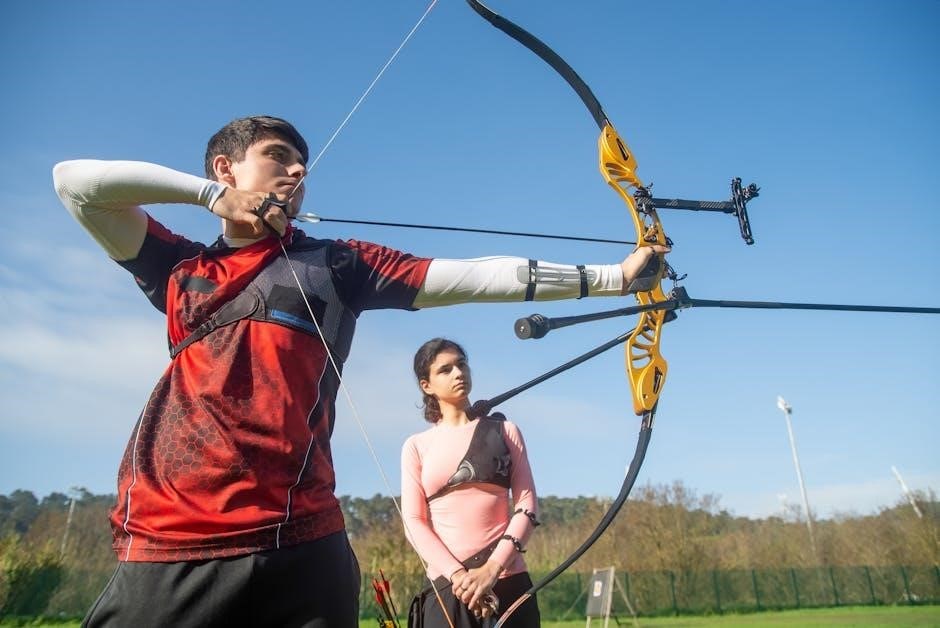
BSA archery programs cultivate skill and focus‚ demanding strict adherence to range safety protocols and established equipment standards for a secure experience.
Archery Range Safety Protocols
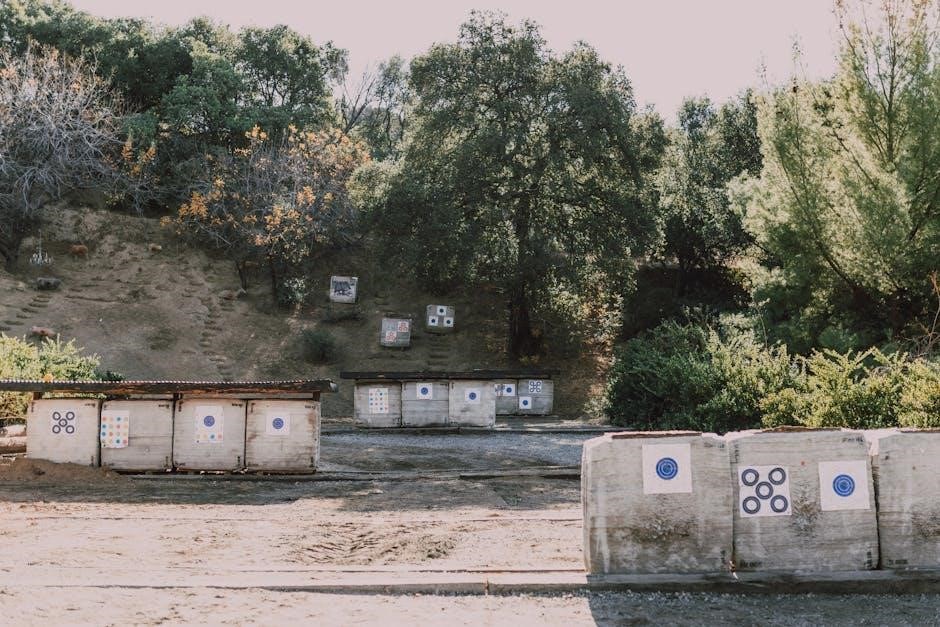
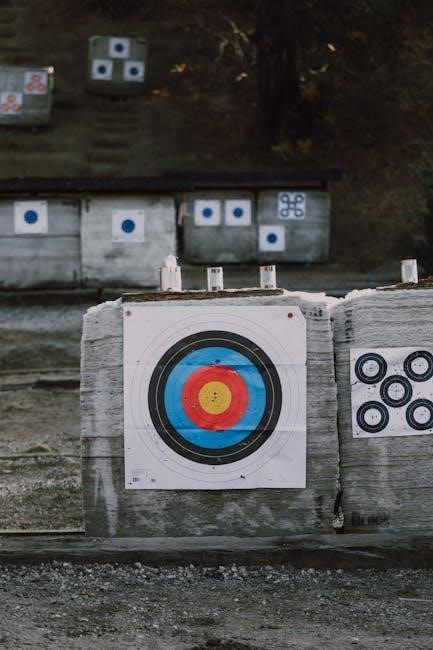
Archery range safety is paramount within BSA programs‚ demanding unwavering adherence to established protocols. Before any shooting commences‚ a thorough range inspection is crucial‚ ensuring all targets are in safe condition and the backstop is adequate. A designated safety officer must be present‚ actively monitoring all archers and enforcing safety rules.
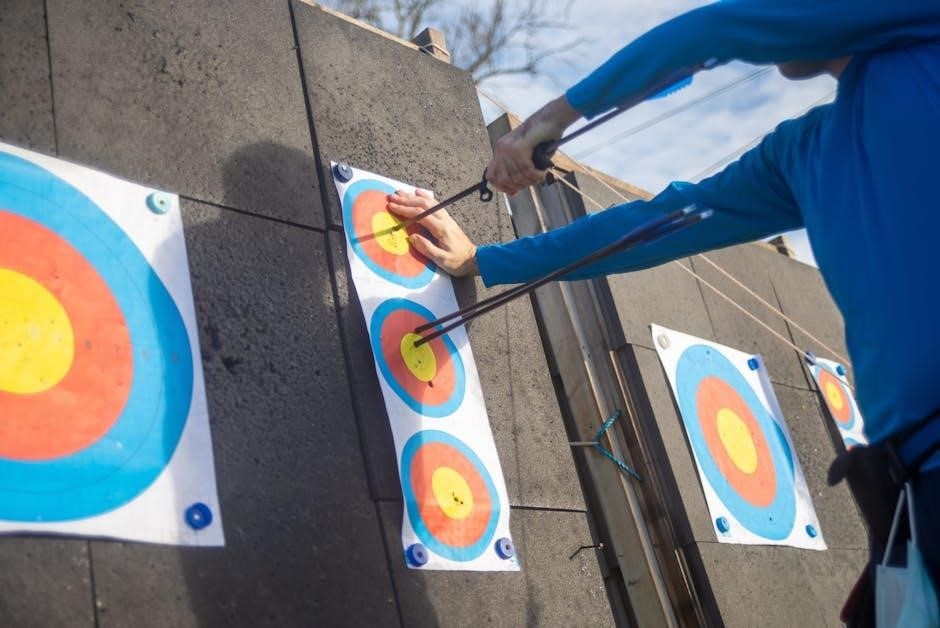
Archers must receive comprehensive instruction on proper shooting technique‚ including nocking‚ drawing‚ aiming‚ and releasing arrows safely. Only one person is permitted on the shooting line at a time‚ with a clear command system – “nock‚” “draw‚” “loose” – to control arrow flight. Retrieving arrows is only allowed after the “all clear” signal from the range officer.
Furthermore‚ archers must never dry-fire a bow‚ and damaged equipment should be immediately removed from use. Strict adherence to these protocols minimizes risk and fosters a secure learning environment for all participants.
Archery Equipment Standards
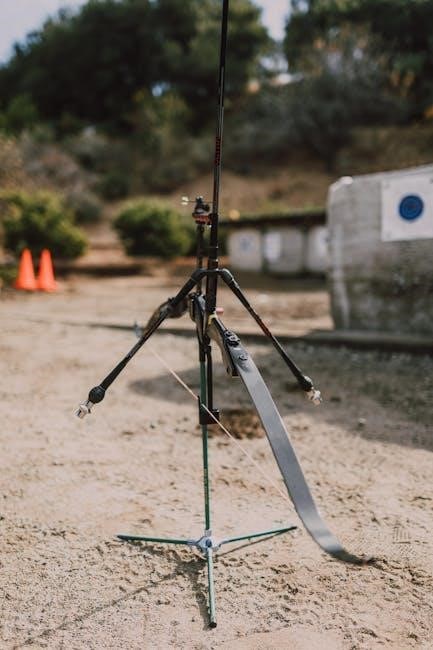
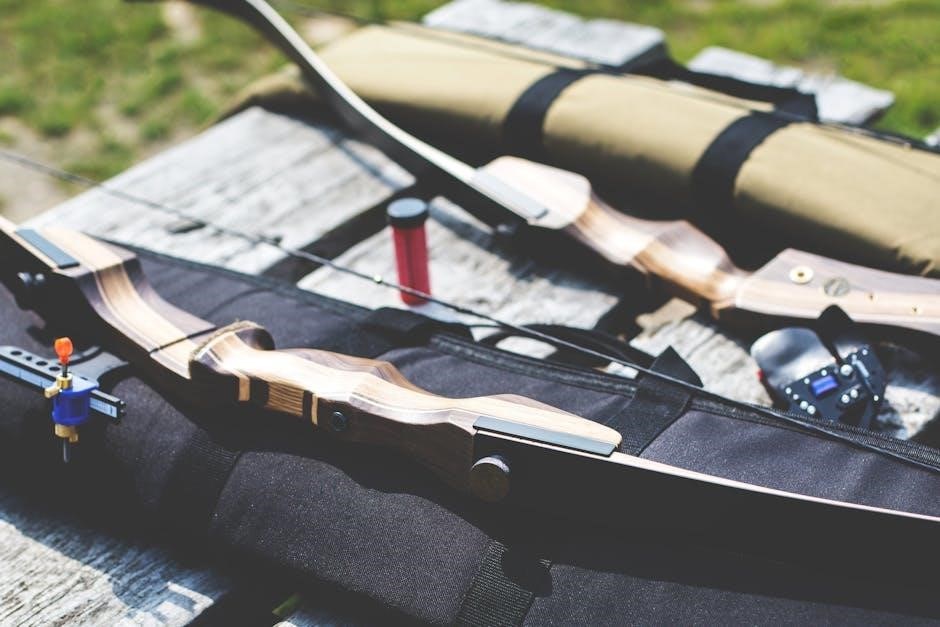
BSA archery programs necessitate adherence to specific equipment standards to ensure participant safety and fair play. Bows must be of appropriate draw weight for the archer’s age and physical ability‚ typically ranging from 15 to 25 pounds for younger Scouts. Recurve bows are generally preferred for introductory programs due to their simplicity and safety features.
Arrows must be in good condition‚ straight‚ and equipped with appropriate field points or target points – broadheads are strictly prohibited. Finger tabs or shooting gloves are required to protect archers’ fingers during the draw cycle. Armguards are also essential to prevent string slap injuries.
Regular equipment inspections are vital‚ checking for cracks‚ fraying‚ or other damage. All equipment should meet or exceed BSA’s minimum standards‚ prioritizing safety and promoting a positive archery experience for all involved.
Shotgun Shooting in BSA
BSA guidelines for shotgun activities prioritize safety‚ skill development‚ and responsible handling under qualified instructor supervision‚ ensuring a controlled environment.
BSA Guidelines for Shotgun Activities
BSA shotgun programs demand strict adherence to established guidelines‚ prioritizing participant safety and responsible firearm handling. All activities must be conducted under the direct supervision of a certified shotgun instructor‚ ensuring proper technique and safe practices are consistently enforced.
Range setup is critical‚ requiring designated shooting stations‚ secure backstops‚ and clearly marked boundaries. Participants are required to complete thorough safety briefings before handling any equipment‚ covering topics like proper stance‚ aiming procedures‚ and safe gun manipulation. Ammunition control is paramount; only approved types and gauges are permitted‚ and strict accounting procedures must be followed.
Eye and ear protection are mandatory for all individuals within the shooting area. Furthermore‚ the BSA emphasizes the importance of responsible behavior‚ prohibiting horseplay or any actions that could compromise safety. Post-activity procedures include a thorough range inspection to ensure all spent shells are collected and the area is left in a safe condition.
Range Safety Officer (RSO) Responsibilities
RSOs ensure all shooting activities adhere to safety protocols‚ providing instruction‚ enforcing rules‚ and managing emergencies with certified training and vigilance.
RSO Certification and Training
Becoming a qualified Range Safety Officer (RSO) within BSA necessitates comprehensive training and certification‚ ensuring a safe environment for all participants. While BSA doesn’t directly offer a universal RSO certification‚ leveraging resources from organizations like the National Rifle Association (NRA) is highly recommended and often a prerequisite.
NRA-certified courses cover crucial aspects such as range rules‚ firearm safety‚ emergency procedures‚ and effective communication techniques. Successful completion typically involves classroom instruction‚ practical exercises‚ and a written examination. It’s vital that RSOs maintain current certifications‚ participating in refresher courses to stay abreast of best practices and evolving safety standards.
Furthermore‚ local councils may have supplemental training requirements tailored to specific ranges and activities. Consistent adherence to these standards is paramount for responsible oversight and accident prevention during BSA shooting sports events.
RSO Duties Before‚ During‚ and After Shooting Activities
Prior to any shooting activity‚ the RSO must meticulously inspect the range‚ ensuring all safety equipment is functional and properly positioned. This includes backstops‚ target stands‚ and first-aid supplies. A thorough briefing for all participants is essential‚ covering range rules‚ safe firearm handling‚ and emergency procedures. During the activity‚ the RSO’s primary responsibility is constant monitoring of shooter behavior and adherence to safety protocols.
Immediate correction of unsafe practices is crucial‚ alongside enforcing cease-fires when necessary. The RSO must also manage target changes and ensure proper ammunition control. Post-activity duties involve a final range inspection to collect spent casings and confirm no equipment damage occurred.
Detailed record-keeping of the event‚ including participant attendance and any incidents‚ is vital for accountability and continuous improvement of safety measures.
Accident Prevention and Emergency Procedures
BSA prioritizes preventing shooting accidents through strict adherence to safety rules‚ comprehensive training‚ and vigilant supervision during all shooting sports activities.
Reporting Procedures for Shooting Accidents
In the unfortunate event of a shooting accident‚ immediate action and thorough reporting are crucial. First‚ ensure the safety of all individuals involved and provide necessary first aid. Immediately notify local emergency services – dial 911 or your local equivalent – if medical attention is required.
Following initial response‚ a detailed incident report must be completed. This report should include the date‚ time‚ location‚ and a comprehensive description of the events leading up to the accident. Identify all witnesses and obtain their statements. Document any injuries sustained‚ and the first aid administered.
Crucially‚ the report must be submitted to your local council’s shooting sports committee and the BSA’s national office within 24 hours. Retain copies of all documentation‚ including witness statements and medical records. Accurate and timely reporting is vital for continuous improvement of safety protocols and preventing future incidents within BSA shooting sports programs.
BSA Shooting Sports Resources
BSA collaborates with the NRA‚ offering extensive online resources for leaders and Scouts to enhance skills and ensure safe‚ quality programs.
NRA Collaboration with BSA
The Boy Scouts of America and the National Rifle Association (NRA) maintain a longstanding and beneficial collaborative relationship‚ deeply rooted in promoting firearm safety and responsible marksmanship education. This partnership provides crucial support for BSA’s shooting sports programs‚ ensuring they align with best practices and industry standards.
The NRA contributes significantly through the provision of certified instructors‚ training materials‚ and range safety officer (RSO) certification courses. Jason Brown‚ an NRA spokesman‚ highlighted the value of this experience as the “best‚ safest possible introduction to shooting for Scouts.” This collaboration extends to curriculum development‚ helping BSA continually refine its programs to prioritize safety and skill development.
Furthermore‚ the NRA’s expertise assists BSA in navigating evolving regulations and maintaining a secure environment for all participants‚ contributing to the impressive safety record demonstrated by councils like the Greater New York Councils‚ which have never experienced a shooting sports-related accident.
Online Resources for BSA Shooting Sports
Boy Scouts of America offers a wealth of online resources to support its shooting sports programs‚ ensuring accessibility for volunteers and Scouts alike. These digital tools supplement the official shooting sports manual‚ providing up-to-date information and training materials.
Scouts and leaders can access detailed safety guidelines‚ range standard operating procedures‚ and discipline-specific resources through the BSA’s official website. Various forums and online communities facilitate knowledge sharing and best practice discussions among shooting sports professionals.
Furthermore‚ the NRA’s website provides complementary educational materials and RSO certification information‚ strengthening the collaborative effort. Online booking systems for Queensland Rail services‚ while seemingly unrelated‚ demonstrate the increasing reliance on digital platforms for scheduling and logistical support‚ mirroring the trend in BSA’s resource accessibility.