Downloadable Cummins Fault Codes PDF
Access a free, downloadable PDF of Cummins engine fault codes covering 2003‑present models. The file lists SPN, FMI, lamp color, device, and detailed descriptions, enabling quick diagnosis. Save it locally or view online for instant reference during service.
PDF Format and File Size
The Cummins fault‑codes manual is distributed as a compact PDF, optimized for quick download and offline use. The file uses standard PDF 1.7 compression, ensuring that the entire list of over 200 diagnostic codes, including SPN, FMI, lamp colour, device and description fields, fits into a single document. At the time of publication the PDF size is approximately 2.5 MB, which balances readability with bandwidth efficiency. Users can download the file directly from the official Cummins support portal, or via trusted third‑party repositories that host the same version. The PDF is fully searchable: every code number and description can be located with a simple Ctrl‑F, and the layout includes a table of contents, index, and cross‑references to related service procedures. For mobile technicians, the file can be opened on tablets or smartphones using any standard PDF viewer, allowing on‑the‑go reference without the need for a computer. The document is also available in a text (.txt) format for those who prefer plain‑text parsing or automated scripts. Regardless of the format chosen, the same comprehensive data set is preserved, ensuring consistency across all platforms. This resource is updated annually to reflect new engine revisions for all models!!!!

Text and Online Viewing Options

The Cummins fault‑code manual is available not only as a downloadable PDF but also in plain‑text and as an interactive online viewer. The online version is hosted on the official Cummins website and can be accessed from any browser without the need to install additional software. Users can search for specific SPN or FMI values, filter by lamp colour or severity, and view the full description and recommended procedure in real time. The text file (.txt) is a lightweight alternative that contains the same structured data; it can be opened in any text editor or imported into spreadsheet programs for custom analysis. For technicians who prefer a visual layout, the PDF can be opened in Adobe Reader or any standard PDF viewer, and it supports bookmarks and hyperlinks that jump directly to the relevant section. All formats are synchronized so that updates to the fault‑code list are reflected across PDF, text, and online versions simultaneously. The online viewer also offers a printable view, allowing field crews to generate hard‑copy lists on the spot. This multi‑format approach ensures that every user, whether working in a shop, on a job site, or in a remote location, has immediate access to the most current fault‑code information without any compatibility issues.Download the file today and keep your fleet running smooth.

Scope of the Fault Code List
The PDF covers all Cummins engines from 2003 onward, listing every diagnostic fault code, its SPN, FMI, lamp color, device, and detailed description. It includes QSB, QSC, QSL, QSM, QSX, QSK series, and links each code to the J1939 network for quick troubleshooting.

Engine Models Covered (2003 and Later)
The Cummins fault codes PDF is a comprehensive reference for every Cummins engine model introduced in 2003 and later. It includes the full range of QSB, QSC, QSL, QSM, QSX, and QSK series engines, covering both the 6.7‑liter and 8.3‑liter inline‑six configurations as well as the 6.7‑liter V‑8 and the 8.3‑liter V‑8 variants. The document lists each engine’s specific diagnostic fault codes, their SPN and FMI values, lamp color indicators, and detailed descriptions of the fault conditions. It also cross‑references the J1939 network, allowing technicians to map each fault to its corresponding SPN and FMI for rapid troubleshooting. The PDF is updated to reflect the latest revisions for the 2003‑present engine families, ensuring that users have the most current fault code information. By downloading this file, mechanics and fleet operators can quickly locate the exact fault code for any Cummins engine in this generation, facilitating efficient diagnosis and repair. The file is available in PDF format and can be viewed online or downloaded for offline use. The PDF is lightweight, typically under 2 MB, ensuring fast downloads even on mobile networks. It includes a search function and links to related service bulletins, making it a handy reference for field and shop technicians. It also links to service bulletins for quick updates and guidance!
J1939 SPN and FMI Relationships
The J1939 protocol defines each fault by a unique SPN (Suspect Parameter Number) and an FMI (Failure Mode Identifier). In the Cummins PDF, every entry lists the SPN, the FMI, the lamp color, the affected device, and a concise description. The SPN is a 16‑bit identifier that specifies the physical parameter or sensor, such as 1234 for “Engine Coolant Temperature.” The FMI is a 5‑bit code that describes the type of fault—0 for “No fault,” 2 for “Sensor failure,” 3 for “Signal out of range,” etc. By combining SPN and FMI, the diagnostic system can pinpoint the exact problem. For example, SPN 1234 FMI 3 indicates that the coolant temperature sensor is reporting a value outside its expected range. The PDF arranges the codes in a table that allows technicians to search by SPN or by FMI, and it includes a legend that maps each FMI to the corresponding lamp color (red, amber, green). This structure simplifies troubleshooting: locate the SPN, read the FMI, then consult the description to determine the corrective action. All of this information is presented in a single, searchable PDF, making it a valuable tool for field service technicians and fleet managers who need to diagnose Cummins engines quickly and accurately with detailed service bulletins repair guides and step-by-step procedures quickly.
Structure of the Fault Code Table
The fault code table is organized by SPN, FMI, lamp color, device, and description. Each row lists the SPN number, FMI value, associated lamp, affected component, and a concise explanation of the fault. The layout supports quick lookup and cross‑reference. 202
Code Categories (Critical, Warning, Informational)
The Cummins fault code list PDF categorizes each diagnostic trouble code (DTC) into three distinct severity levels—Critical, Warning, and Informational—to streamline troubleshooting and maintenance priorities. Critical codes, identified by a red or amber lamp indicator, signify immediate engine or system failures that can lead to catastrophic damage or safety hazards if left unresolved. These codes typically involve high‑pressure fuel system faults, turbocharger failures, or major sensor malfunctions. Warning codes, displayed with a yellow or amber light, denote issues that may degrade performance or efficiency but do not pose an immediate threat; examples include low coolant temperature, minor sensor drift, or transient electrical glitches. Informational codes, marked by a green or blue lamp, provide non‑critical data such as idle speed variations, engine start‑up conditions, or routine diagnostic events that help technicians track system health over time. Each category is accompanied by a concise description, recommended action steps, and suggested repair procedures, allowing service personnel to quickly assess the urgency of a fault and allocate resources accordingly. By clearly distinguishing between Critical Warning and Informational codes, the PDF empowers technicians to focus on high priority repairs first.
Lamp Color Indicators
In the Cummins fault code PDF, each DTC is paired with a lamp color that immediately communicates the severity and required action. A red lamp signals a critical fault that demands immediate attention—often an engine‑overload, high‑pressure fuel pump failure, or a catastrophic sensor malfunction. An amber lamp denotes a warning condition; the engine may still operate but a fault has been detected that could degrade performance or lead to a critical failure if ignored—examples include low coolant temperature, idle speed deviation, or a transient electrical glitch. A green lamp indicates an informational fault; it is a non‑critical event that is logged for diagnostic purposes, such as a normal idle‑speed adjustment or a routine sensor calibration. In some Cummins models a blue lamp is also used to flag a diagnostic event that is not a fault but a status update, such as a start‑up sequence or a temporary sensor reading. The PDF lists each code’s lamp color next to the SPN/FMI pair, allowing technicians to quickly triage issues without sifting through lengthy descriptions; By standardizing lamp colors across all Cummins engines, the manual ensures that service personnel can instantly recognize the urgency of a fault and prioritize repairs accordingly, thereby reducing downtime and preventing costly damage. Annual update

Troubleshooting Workflow
Scan the PDF for the fault’s SPN/FMI, check lamp color for severity, then isolate the component using the step‑by‑step guide. Verify sensor data, apply the recommended fix, and confirm the fault clears. Follow fix until lamp off.!
Step-by-Step Code Interpretation
Open the Cummins fault‑code PDF and locate the SPN and FMI numbers. Use the search function for speed. Once you have the SPN/FMI pair, check the lamp‑color column: green is informational, amber warns of a pending issue, and red signals a critical fault needing immediate action.
Identify the device or sensor in the “Device” column to see which subsystem—engine, transmission, or auxiliary—is affected. Read the short “Description” for a quick summary, then scroll to the “Full Description” for detailed causes and recommended repair steps.
Pull up live data from the diagnostic interface. Verify the SPN value is out of range or fluctuating. If the live value matches the fault threshold, the problem is confirmed; otherwise, look for related SPNs that may mask the issue.
Follow the procedure numbers beside each fault. These guide you through component inspection and test‑point checks. Follow the sequence—skip no steps—to avoid overlooking a secondary fault that could trigger the same SPN.
After repairs, clear the fault code with the ECU reset. Re‑scan; a cleared code should no longer appear, and the lamp should return to normal. If it re‑arises, revisit the procedure, double‑check wiring, and confirm all related SPNs are within spec.
Document every step in a service log, noting the original SPN/FMI, lamp color, device, description, live data values, and final resolution.
When interpreting codes, always cross‑check the manufacturer’s service manual for the latest updates. Some faults may be related to software revisions or recall notices. If a fault persists after following the procedure, consider contacting Cummins technical support or a certified dealer for advanced diagnostics. Maintaining a detailed log helps track recurring issues and supports warranty claims.
Common Repair Procedures
When a fault code appears in the Cummins PDF list, the first step is to verify the live data against the threshold for that SPN. If the value is outside the normal range, the sensor or actuator is likely at fault. For example, a QSB‑type code for a crankshaft position sensor will show a high or low SPN value; replace the sensor and re‑scan. If the live data is within spec, check related SPNs that may be masking the issue, such as a fuel pressure or MAP sensor reading that is out of range. Inspect wiring harnesses for corrosion, fraying, or poor connections. Use a multimeter to confirm continuity and proper voltage at the connector. If wiring is intact, move to the component itself: for a QSC code on the EGR valve, remove the valve, clean the ports, and verify the actuator’s position sensor. After cleaning, reinstall and test the valve’s operation with a scan tool. For QSL codes that involve the transmission, check the torque converter lock‑up solenoid by measuring the coil resistance; a high resistance indicates a failed solenoid that must be replaced. When the component is replaced, clear the code and perform a full drive cycle to ensure the fault does not recur. If the code persists after replacement, consider software updates: download the latest ECU firmware from Cummins and flash the unit, as some codes are triggered by known bugs. Document the entire process in a service record, noting the original SPN, the live data, the repair action, and the post‑repair scan results. This systematic approach ensures that the fault is truly resolved and prevents repeat diagnostics and”

Additional Resources and Support
For deeper insight, consult the Cummins service manual, which expands on the PDF list with wiring diagrams and torque specs. Community forums like CumminsTech and DieselTalk offer advice, while manufacturer’s support portal provides firmware updates and FAQs.
Manufacturer Service Manuals
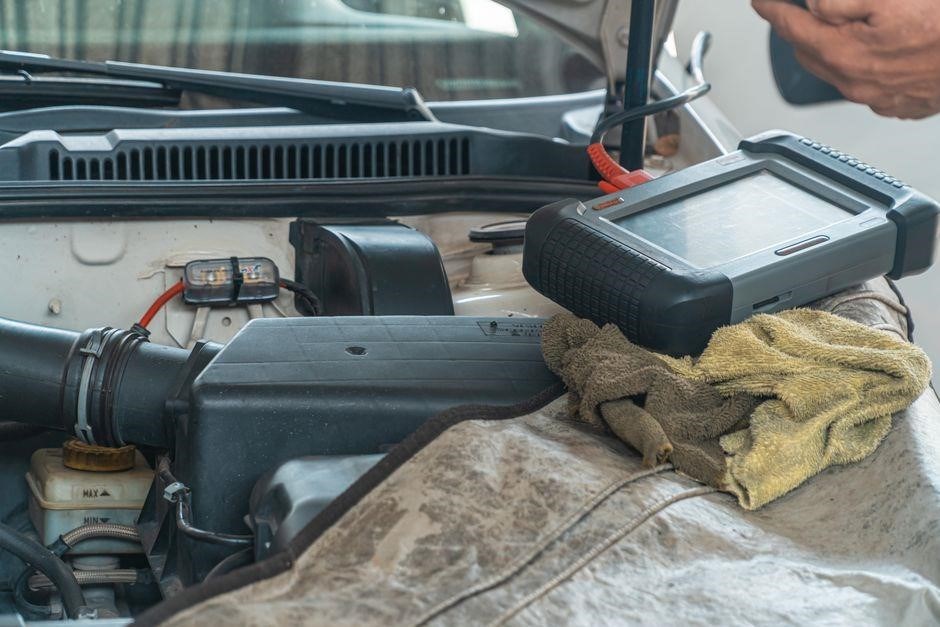
Manufacturer service manuals are the definitive source for Cummins engine diagnostics. They provide exhaustive tables that map each Diagnostic Trouble Code (DTC) to its corresponding SPN, FMI, and lamp indicator, along with a detailed description of the fault condition. The manuals also include step‑by‑step repair procedures, recommended torque values, and wiring diagrams that help technicians isolate the root cause. In addition, they contain calibration data for sensors such as the throttle position sensor, manifold pressure sensor, and fuel pressure regulator, which are critical for accurate fault interpretation. The manuals are organized by engine family and model year, ensuring that users can quickly locate the correct version for their specific engine. Many manufacturers offer digital PDFs that can be downloaded from their official support portals, while printed copies are available through authorized distributors. The digital versions often include interactive features such as searchable tables and hyperlinks to related procedures, making troubleshooting faster and more efficient. For technicians working in field service, the manuals also provide troubleshooting flowcharts that guide the user through common fault scenarios, reducing diagnostic time and improving repair accuracy. It is essential to keep the manual updated, as firmware updates or revisions may alter fault definitions or add new codes. By consulting the manufacturer’s service manual in conjunction with the downloadable Cummins fault codes PDF, technicians can ensure they have the most accurate and comprehensive information available for diagnosing and repairing Cummins engines.
Community Forums and Knowledge Bases
Online communities dedicated to Cummins engines provide practical insights for the downloadable fault‑code PDF. Members share real‑world experiences, linking SPN/FMI combinations to dash symptoms. Threads include wiring photos, oscilloscope traces, and firmware dumps that clarify ambiguous codes. Knowledge bases like the Cummins Technical Support portal host searchable articles that cross‑reference the PDF’s list with maintenance schedules and part numbers. Enthusiast sites such as CumminsWorld and DieselTalk host user‑generated troubleshooting guides, walking through common error patterns with step‑by‑step solutions that complement manufacturer instructions. These forums also provide real‑time Q&A sessions where certified technicians answer questions, and they maintain a shared repository of scanned service manuals for cross‑referencing code definitions. This accelerates troubleshooting.
Community forums host live chat sessions where certified technicians answer questions in real time. Members share diagnostic data captured by onboard scanners, allowing others to compare live readings with the static PDF list. Many threads include step‑by‑step repair instructions, wiring diagrams, and part replacement guides that complement the official service manual. The collaborative nature of these platforms ensures that rare or obscure codes are documented by experienced users, providing insights that might otherwise remain hidden. By engaging with these resources, technicians can validate interpretations and discover workarounds.

These communities also maintain a shared repository of scanned service manuals, enabling technicians to cross‑reference code definitions and verify repair procedures directly. Updates are posted daily!!