Russian Navy submarines represent a crucial component of Russia’s naval power, documented across 25 classes and 61 captures․
These vessels fulfill vital roles in nuclear deterrence, power projection, and coastal defense, as detailed in numerous analyses and PDF reports․
Historical Overview of Russian/Soviet Submarine Development
Early beginnings trace back to the early 20th century, with initial designs heavily influenced by foreign technology․ The Soviet era witnessed substantial investment in submarine construction, driven by the Cold War and a need to counter NATO’s naval capabilities․
Post-World War II, projects numbered sequentially, reflecting evolving designs – from early diesel-electric models to pioneering nuclear-powered submarines like Project 627 (November class) in the 1950s․ This marked a significant leap in underwater endurance and strategic reach․
Throughout the decades, Soviet submarine development focused on ballistic missile capabilities (SSBNs) and attack submarines (SSNs), documented in numerous PDF analyses of Russian naval history․ These advancements aimed to establish a credible second-strike capability and challenge Western naval dominance․
Current Status and Size of the Russian Submarine Fleet (as of 02/18/2026)
As of today’s date, February 18, 2026, the Russian Navy maintains a substantial submarine fleet, estimated to comprise around 64 vessels․ This includes both nuclear-powered and diesel-electric submarines, distributed across multiple fleets – Northern, Pacific, and Baltic․
The nuclear fleet consists of ballistic missile submarines (SSBNs) and attack submarines (SSNs), providing a critical second-strike capability and power projection potential․ Detailed breakdowns of fleet composition are available in recent PDF reports analyzing Russian naval strength․
Diesel-electric submarines, while less capable than their nuclear counterparts, remain vital for regional defense and anti-submarine warfare․ Modernization efforts are ongoing to enhance the capabilities of the entire fleet․
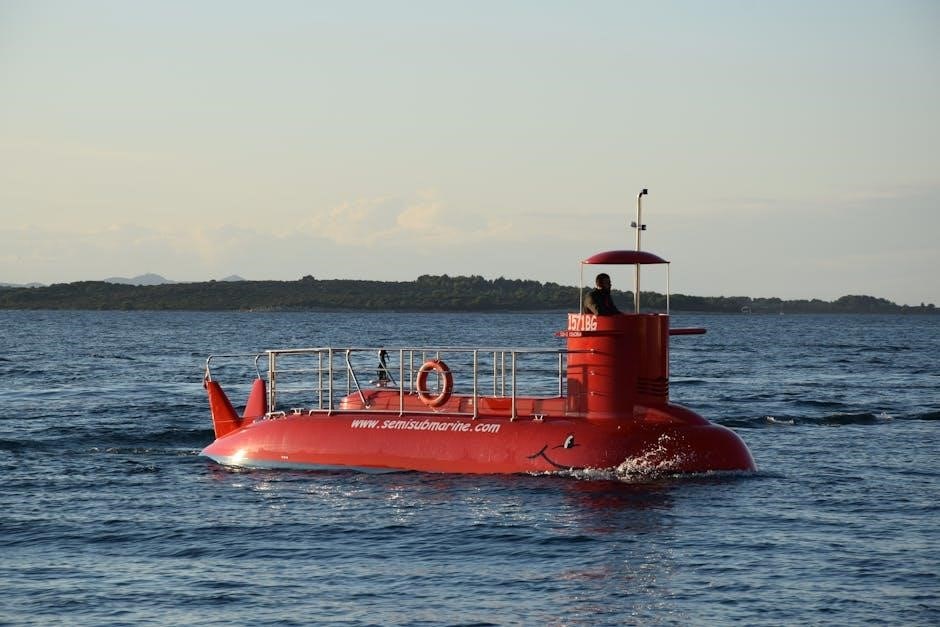
Types of Russian Navy Submarines
The Russian Navy operates diverse submarine types: ballistic missile (SSBNs), nuclear attack (SSNs), and diesel-electric (SSKs), detailed in available PDF analyses․
Ballistic Missile Submarines (SSBNs)
Russia’s SSBN fleet is a cornerstone of its nuclear triad, ensuring a credible second-strike capability․ Currently, the fleet comprises vessels from three primary projects: the aging Project 941 Akula (Typhoon) class, the Project 667BDRM Delfin class, and the newer Project 955 Borei class․
PDF reports indicate that the Borei class represents the future of Russia’s SSBN force, incorporating advanced stealth technology and a modernized missile system․ These submarines are designed for extended patrols, maintaining a constant underwater presence․ The Akula class, while nearing the end of its service life, remains a significant component, undergoing periodic refits․ Detailed specifications and operational deployments are often found within comprehensive Russian Navy submarine PDF assessments․
Project 941 Akula Class (Typhoon)
The Project 941 Akula (Typhoon) class represents the largest submarines ever built, designed during the Cold War to deploy long-range ballistic missiles․ These massive vessels, detailed in numerous Russian Navy submarine PDF analyses, are characterized by their immense size and heavy armament․ Though aging, a limited number remain in service, undergoing modernization to extend their operational lifespan․
PDF documentation reveals that the Typhoon class carries the R-39 Rif missile, capable of delivering multiple warheads․ Their sheer size presented significant challenges in stealth, but they remain a potent symbol of Russian naval power․ Current reports suggest a gradual decommissioning of the class, with a focus on maintaining a core number for strategic deterrence․
Project 667BDRM Delfin Class
The Project 667BDRM Delfin class, also known as Delta-III, represents a significant improvement over its predecessors in terms of stealth and missile technology․ Detailed analyses within Russian Navy submarine PDF reports highlight their role as a key component of the Soviet/Russian strategic nuclear deterrent․ These submarines are designed to carry ballistic missiles, providing a second-strike capability․
PDF documentation indicates the Delfin class utilizes the R-39 Rif missile, though modernization efforts have focused on integrating newer SLBMs․ While smaller than the Typhoon class, they offer enhanced quietness and survivability․ Several remain in service, undergoing upgrades to extend their operational life and maintain their strategic importance․
Project 955 Borei Class
The Project 955 Borei class represents the newest generation of Russian ballistic missile submarines, extensively documented in Russian Navy submarine PDF analyses․ Designed for quiet operation and carrying the Bulava SLBM, these vessels are central to Russia’s nuclear triad․ PDF reports detail their advanced acoustic signature reduction technologies, enhancing survivability․
The Borei class incorporates a modular design, facilitating future upgrades and weapon system integration․ Several submarines are currently in service, with further units under construction․ These submarines are considered a cornerstone of Russia’s strategic deterrence, offering a credible second-strike capability and bolstering naval power projection, as outlined in detailed PDF assessments․
Nuclear-Powered Attack Submarines (SSNs)
Russian nuclear-powered attack submarines (SSNs) are vital for fleet defense and offensive operations, thoroughly analyzed in numerous Russian Navy submarine PDF reports․ These submarines excel in anti-ship and anti-submarine warfare, providing a significant power projection capability․ PDF documentation highlights the Akula II and Yasen-M classes as key components of this force․
SSNs offer extended endurance and high speed, enabling global deployments and strategic reach․ Detailed PDF assessments showcase their advanced sensor suites and weaponry, including torpedoes and cruise missiles․ Russia continues to modernize its SSN fleet, focusing on reducing acoustic signatures and enhancing combat effectiveness, as evidenced by recent PDF publications․
Project 971 Shchuka-B Class (Akula II)
Project 971, known as the Akula II class, represents a significant advancement in Soviet/Russian submarine design, extensively detailed in available Russian Navy submarine PDF analyses․ These SSNs are renowned for their relatively quiet operation, though later units experienced construction challenges․ PDF reports emphasize their multi-purpose capabilities, excelling in both anti-ship and anti-submarine warfare․
The Akula II features a double-hull construction and advanced sonar systems․ PDF documentation reveals that several vessels underwent modernization to improve their combat effectiveness․ While older, they remain a crucial part of the Russian SSN fleet, with detailed specifications and operational histories available in comprehensive PDF resources․
Project 885 Yasen-M Class
Project 885 Yasen-M class submarines represent the most modern nuclear-powered attack submarines (SSNs) in the Russian Navy, thoroughly documented in numerous Russian Navy submarine PDF reports․ These vessels boast significantly reduced noise levels compared to previous generations, utilizing advanced acoustic isolation technologies․ PDF analyses highlight their enhanced combat capabilities, including a versatile weapon load and sophisticated sensor suites․
The Yasen-M incorporates a unique spherical sonar array and vertical launch system (VLS) for long-range cruise missiles․ Detailed PDF specifications reveal improvements in automation and crew comfort․ Currently under construction, these submarines are intended to replace older SSNs, forming the backbone of Russia’s future underwater fleet, as outlined in official PDF documentation․
Diesel-Electric Submarines (SSKs)
Russian Navy’s diesel-electric submarines (SSKs), extensively detailed in available Russian Navy submarine PDF resources, provide a cost-effective and quiet alternative to nuclear-powered vessels․ These submarines primarily operate in littoral waters, focusing on regional defense and anti-shipping roles․ PDF analyses emphasize the importance of the Varshavyanka (Kilo) and Lada classes within the fleet․
While less capable in terms of speed and range compared to SSNs, SSKs offer stealth advantages․ PDF documentation highlights their advanced quietening features and modern weapon systems․ Russia continues to modernize its SSK fleet, incorporating improved sensors and propulsion systems, as evidenced by recent PDF reports on naval developments and modernization programs․
Project 636 Varshavyanka Class (Kilo)
Project 636, known as the Varshavyanka (Kilo) class, represents a cornerstone of the Russian Navy’s diesel-electric submarine force, thoroughly documented in numerous Russian Navy submarine PDF reports․ These submarines are renowned for their exceptionally quiet operation, earning them the nickname “Black Hole” in NATO circles․ PDF analyses detail their advanced acoustic isolation and hull design․
Kilo-class submarines are equipped with modern weaponry, including torpedoes, mines, and the Kalibr cruise missile, as outlined in detailed PDF specifications․ They are primarily designed for anti-shipping and anti-submarine warfare in relatively shallow waters․ PDF sources confirm their continued production and export success, serving as a key component of Russia’s naval power projection capabilities․

Project 677 Lada Class
Project 677, the Lada class, represents Russia’s newest generation of diesel-electric submarines, extensively covered in Russian Navy submarine PDF documentation․ Designed as a successor to the Kilo class, the Lada class incorporates advanced stealth technology and a modular design for enhanced adaptability․ PDF analyses highlight its improved sonar systems and reduced noise signature․
These submarines feature an air-independent propulsion (AIP) system, extending their underwater endurance significantly, as detailed in technical PDF reports․ They are armed with torpedoes, mines, and the Kalibr cruise missile․ However, the program has faced delays and challenges, impacting production rates, as noted in various PDF assessments of the Russian Navy’s modernization efforts․

Key Characteristics and Capabilities
Russian Navy submarines, detailed in numerous PDF reports, showcase nuclear propulsion, diverse weaponry—including SLBMs and cruise missiles—and advanced sensor technology for underwater dominance․
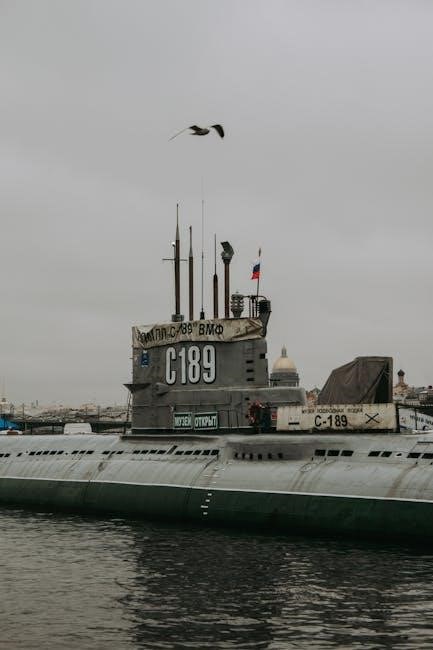
Nuclear Propulsion Systems
Russian Navy submarines extensively utilize nuclear power, a cornerstone of their operational capabilities, as thoroughly documented in available PDF analyses․ These systems grant extended underwater endurance and high sustained speeds, crucial for strategic deployments․ The majority of Russia’s larger submarines – ballistic missile and attack subs – are nuclear-powered, employing pressurized water reactors (PWRs)․
These reactors provide significant advantages over diesel-electric propulsion, eliminating the need for frequent surfacing for air․ Detailed schematics and operational data, often found within specialized PDF reports, reveal a focus on reactor safety and reliability․ Modern Russian submarine designs, like the Yasen-M class, incorporate quieter reactor designs, enhancing stealth capabilities․ The development and maintenance of these complex systems remain a national priority․
Weaponry and Armament
Russian Navy submarines are equipped with a diverse and potent array of weaponry, comprehensively detailed in numerous PDF reports concerning naval capabilities․ Ballistic Missile Submarines (SSBNs) carry Submarine-Launched Ballistic Missiles (SLBMs) – a key component of Russia’s nuclear triad․ Attack submarines (SSNs) deploy cruise missiles, torpedoes, and naval mines․
The specific armament varies by submarine class; for example, the Yasen-M class features vertical launch systems for long-range cruise missiles․ PDF analyses highlight the ongoing modernization of these systems, including the development of hypersonic missiles․ Torpedoes remain a crucial weapon for close-range engagements, while mines are used for area denial and strategic disruption, as outlined in detailed documentation․
Ballistic Missiles (SLBMs)
Russian Navy’s Ballistic Missile Submarines (SSBNs) rely on Submarine-Launched Ballistic Missiles (SLBMs) for second-strike nuclear capability, extensively documented in various PDF reports․ Currently, the R-30 Bulava is the primary SLBM, deployed on Borei and Sineva class submarines․ These missiles feature multiple independently targetable reentry vehicles (MIRVs), enhancing their strategic impact․
PDF analyses detail the ongoing development of the R-39 Poseidon, a nuclear-powered, intercontinental ballistic missile designed for stealthy deployment․ Older SSBNs, like the Delfin class, utilize the R-39 Rif missile․ Modernization efforts focus on increasing SLBM accuracy, range, and survivability, ensuring a credible deterrent as outlined in naval strategy PDFs․
Cruise Missiles
Russian Navy submarines, particularly nuclear-powered attack submarines (SSNs), are heavily armed with cruise missiles, a capability detailed in numerous naval analysis PDFs․ The Kalibr cruise missile family is central to their offensive power, offering land-attack and anti-ship variants․ These missiles boast significant range and precision, posing a threat to both naval and ground targets․
PDF reports highlight the versatility of the Kalibr, capable of being launched from both surface ships and submarines․ Development continues on advanced cruise missile technologies, aiming for hypersonic speeds and improved stealth․ These advancements, documented in defense industry PDFs, enhance the Russian Navy’s power projection capabilities and strategic reach․
Torpedoes and Mines
Russian Navy submarines maintain a substantial inventory of torpedoes and naval mines, detailed in various defense analysis PDFs․ Heavyweight torpedoes, like the TEST-71M, provide a primary anti-submarine and anti-surface warfare capability; These torpedoes feature advanced homing systems and significant destructive power, as outlined in technical PDFs․
Furthermore, Russian submarines employ a range of naval mines, capable of disrupting shipping lanes and defending strategic coastal areas․ PDFs document the development of new mine types with enhanced sensors and lethality․ These weapons, alongside torpedoes, represent a critical component of the submarine’s close-in defense and offensive capabilities, ensuring versatility in diverse operational scenarios․
Sensor and Sonar Technology
Russian Navy submarines prioritize advanced sensor and sonar systems, extensively detailed in specialized defense PDFs․ These systems are crucial for detecting, tracking, and engaging enemy vessels, particularly in the challenging underwater environment․ Low-frequency sonar arrays, like those found on the Yasen-M class, provide long-range detection capabilities, as described in technical documentation PDFs․
Furthermore, Russian submarines utilize sophisticated signal processing and noise reduction technologies to enhance sonar performance and counter enemy countermeasures․ PDFs highlight the integration of hull-mounted and towed array sonars, providing a comprehensive underwater picture․ These advancements are vital for maintaining stealth and operational effectiveness․

Modernization and New Developments
Russian Navy modernization focuses on the Borei-A class, the Husky class submarine, and advanced quietening technologies, as detailed in recent defense PDFs and reports․
Project 955A Borei-A Class Enhancements
Project 955A Borei-A submarines represent a significant upgrade over the original Borei class, focusing on reduced noise levels and enhanced combat capabilities․ Detailed in numerous naval analysis PDFs, these enhancements include a redesigned sail, improved propulsion systems, and advanced sonar technology․
These modifications aim to improve stealth and operational effectiveness, bolstering Russia’s strategic nuclear deterrent․ The Borei-A class also features a modernized missile compartment capable of carrying the Bulava SLBM․
Recent reports suggest continued improvements in sensor suites and electronic warfare systems, solidifying their position as a cornerstone of the Russian submarine fleet․ Further details are available in specialized defense publications and publicly accessible PDFs․
Development of the Husky Class Submarine
The Husky-class submarine, also known as Project 09852, represents a revolutionary departure in Russian submarine design, aiming for exceptionally low noise levels․ Detailed in emerging naval analysis PDFs, it’s a smaller, fifth-generation nuclear attack submarine․ Unlike previous designs, Husky utilizes a spherical pressure hull and a pump-jet propulsor, significantly reducing hydrodynamic noise․
Development has faced challenges, with initial reports suggesting delays․ However, recent sources indicate progress towards sea trials․
This innovative design, documented in specialized defense PDFs, aims to provide a stealthier platform for intelligence gathering and anti-submarine warfare․
Advanced Quietening Technologies
Russian Navy submarines employ several advanced technologies to minimize acoustic signatures, detailed in numerous defense-related PDFs․ These include anechoic coatings, vibration isolation mounts for machinery, and optimized hull designs․ Pump-jet propulsors, featured in newer classes like the Yasen-M and potentially the Husky, significantly reduce cavitation noise․
Internal structures are designed to ‘float’ within the hull, preventing sound transmission․
Recent PDFs highlight advancements in noise reduction for ballistic missile submarines, crucial for maintaining a credible second-strike capability․ These innovations demonstrate Russia’s commitment to stealthy submarine operations․

Strategic Roles and Deployments
Russian Navy submarines serve key strategic roles – nuclear deterrence with SSBNs, power projection, and coastal defense – as outlined in various PDF analyses and reports․
Nuclear Deterrence
Nuclear deterrence is a primary mission for the Russian Navy’s submarine fleet, specifically its Ballistic Missile Submarines (SSBNs)․ Currently, Russia maintains roughly 16 SSBNs, forming a significant second-strike capability․ These submarines, like the Borei and Delfin classes, carry Submarine-Launched Ballistic Missiles (SLBMs) designed to ensure a retaliatory strike even after a potential first strike against Russia’s land-based nuclear forces․
PDF reports detail the strategic importance of these deployments, often operating in the Barents, Okhotsk, and Pacific Oceans, maintaining constant readiness․ This capability is central to Russia’s nuclear doctrine, guaranteeing a credible deterrent and contributing to global strategic stability, as analyzed in numerous naval studies․
Power Projection
Power projection capabilities of the Russian Navy’s submarine fleet extend beyond nuclear deterrence․ Nuclear-powered Attack Submarines (SSNs), such as the Yasen-M class, are equipped with long-range cruise missiles, enabling strikes against land targets from considerable distances․ These submarines demonstrate Russia’s ability to project force globally, influencing events and safeguarding its interests․
PDF analyses highlight deployments to the Mediterranean Sea and other strategic locations, showcasing Russia’s expanding naval reach․ Submarines provide a discreet and potent means of demonstrating resolve and responding to crises, complementing surface fleet operations and contributing to Russia’s overall geopolitical influence, as detailed in various naval reports․
Naval Defense of Russian Coastlines
Russian Navy submarines play a critical role in defending Russia’s extensive coastline and protecting vital maritime infrastructure․ Diesel-electric submarines, like the modernized Varshavyanka (Kilo) class, are particularly effective in littoral waters due to their quiet operation and ability to operate in shallow depths․ PDF documents detail their deployment to key naval bases and strategic chokepoints․
These submarines safeguard against potential threats, including amphibious landings and surface vessel incursions․ Combined with coastal defense systems, they create a layered defense network․ Nuclear submarines also contribute by denying access to potential adversaries, ensuring the security of Russia’s sea lanes and protecting its sovereign territory, as outlined in naval strategy reports․
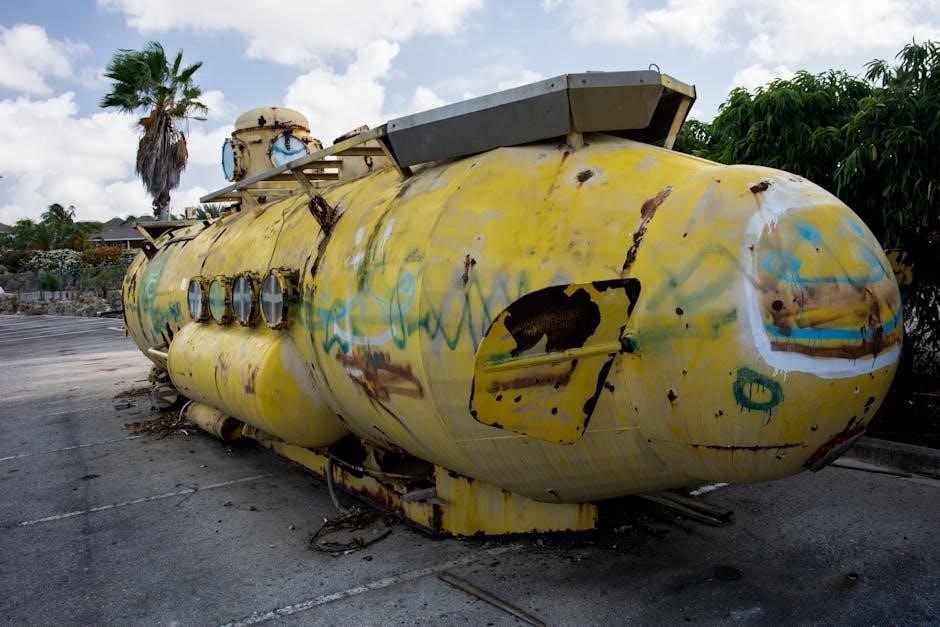
Submarine Projects Since 1945 (Categorized by Project Number)
Russian/Soviet submarine development since 1945 is categorized by project number, ranging from early designs (Project 1) to modern vessels (Project 900+), detailed in PDF archives․
Early Soviet Submarine Projects (Project Numbers 1-500)
Initial Soviet submarine efforts, designated Projects 1 through 500, largely involved reverse-engineering and adapting foreign designs, particularly German U-boats acquired after World War II․ These early projects, documented in historical PDF analyses, focused on establishing a foundational submarine fleet․
Projects like the Whiskey-class (Project 641) represented a significant step towards independent design, incorporating snorkel technology for extended submerged operations․ These submarines, while relatively basic by modern standards, were crucial for building Soviet naval expertise and establishing a credible underwater deterrent․ Detailed schematics and operational histories are often found within specialized PDF resources detailing these foundational vessels․
Mid-Century Submarine Development (Project Numbers 600-800)
The 600-800 project range marked a period of rapid advancement for Soviet submarine technology․ This era saw the introduction of the first Soviet nuclear-powered submarine, Project 627 (November-class), a pivotal moment detailed in numerous naval PDF reports․ These vessels aimed to match and surpass Western nuclear capabilities․
Further developments included improved hull designs, enhanced sonar systems, and the integration of early guided missile technology․ Projects like the Golf-class (Project 651) introduced ballistic missile capabilities, contributing to the Soviet nuclear triad․ Comprehensive technical specifications and deployment histories are readily available in dedicated PDF archives focusing on this crucial period of Soviet submarine evolution․
Modern Russian Submarine Projects (Project Numbers 900+)
Project 900+ signifies the post-Soviet era of Russian submarine development, characterized by advanced stealth technology and sophisticated weaponry․ The Yasen-M class (Project 885M) represents a significant leap forward, incorporating a modular design and enhanced combat capabilities, extensively documented in naval analysis PDFs․
Current projects, like the Borei-A class (Project 955A) and the prospective Husky class, prioritize quiet operation and extended range․ These modern submarines are designed for both strategic deterrence and conventional warfare roles․ Detailed technical data, operational deployments, and future development plans are frequently found within specialized Russian Navy submarine PDF reports․

Learning Resources ⎯ Russian Language
Russian language proficiency unlocks access to detailed, primary-source information regarding Russian Navy submarines, often available only in native publications and PDF documents․
Free Online Russian Language Courses (RussianSpeak․com)
RussianSpeak․com provides 100 free, comprehensive Russian language courses suitable for all skill levels – from beginner to advanced․ This resource is invaluable for researchers seeking to access original documentation concerning Russian Navy submarines, frequently published in Russian․
Understanding the language bypasses translation limitations and allows direct engagement with technical specifications, strategic analyses, and historical records often found in PDF formats․ The platform offers high-quality lessons, audio practice, and practical phrases, fostering fluency․
Given the importance of Russian in naval studies and the prevalence of Russian-language materials on submarine technology, RussianSpeak․com is a powerful tool for deeper understanding․
Importance of Russian Language in Naval Studies
Proficiency in Russian is paramount for comprehensive naval studies, particularly concerning Russian submarine capabilities․ A significant volume of crucial information – including technical manuals, strategic doctrines, and historical analyses – remains exclusively available in the Russian language, often distributed as PDF documents․
Accessing these primary sources bypasses potential biases inherent in translations and provides nuanced insights into Russian naval thinking․ Understanding the language unlocks access to detailed submarine project information, weaponry specifics, and deployment strategies․
For researchers and analysts, Russian language skills are not merely beneficial, but essential for accurate and in-depth assessments of the Russian Navy’s submarine fleet․